

The Ultimate Guide to Reducing Visceral Fat: 5 Evidence-Based Strategies for 2025
Introduction
Are you struggling with stubborn belly fat that won’t budge despite your best efforts? What if I told you the most dangerous fat isn’t the kind you can pinch, but rather the hidden fat surrounding your vital organs?
“The most dangerous fat isn’t the kind you can pinch. It’s the kind you can’t see,” says Sapna Peruvemba, M.S., RDN, a registered dietitian and founder of Health by Sapna. “Visceral fat—also known as ‘hidden’ belly fat—surrounds your organs and raises the risk of chronic diseases like heart disease and type 2 diabetes.”
This hidden villain, known as visceral fat, poses serious health risks that extend far beyond aesthetics. The good news? Visceral fat is actually easier to lose than subcutaneous fat because it metabolizes quicker and your body can get rid of it as sweat or urine.
With the right strategies, you can target and reduce this dangerous fat, improving both your appearance and your overall health.
In this comprehensive guide, we’ll explore five science-backed strategies for reducing visceral fat, based on the latest research and expert insights from 2025. Whether you’re just beginning your health journey or looking to break through a plateau, these approaches will help you achieve meaningful, sustainable results.
Let’s dive into the world of visceral fat and discover how you can transform your health from the inside out.
Understanding Visceral Fat
What is Visceral Fat?
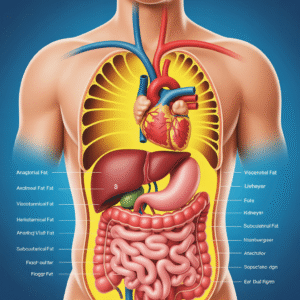
Visceral fat is hidden fat that wraps around your abdominal organs, deep inside your body. While subcutaneous fat is right under your skin where you can pinch it, visceral fat is deeper—found under your belly muscles and around your internal organs. Visceral fat wraps around organs in your belly including your liver, intestines, stomach, and other internal organs.
It’s important to note that having some visceral fat is normal and healthy—everyone has it. This fat serves a purpose by protecting your internal organs. Sometimes it’s called “active fat” because it affects the way your body functions.
However, excess visceral fat becomes problematic.
In most people, about 90% of body fat is subcutaneous, the kind that lies in a layer just beneath the skin. If you poke your belly, the fat that feels soft is subcutaneous fat. The remaining 10% — called visceral or intra-abdominal fat — lies out of reach, beneath the firm abdominal wall.
Health Risks of Visceral Fat
Too much visceral fat isn’t good for you. It comes with more risk for health problems, such as diabetes, heart disease, and stroke.
But why is this specific type of fat so dangerous?
Body fat, especially visceral fat cells, are biologically active. One of the most important developments in research is the realization that the fat cell is an endocrine organ, secreting hormones and other molecules that have far-reaching effects on other tissues.
Researchers have identified a host of chemicals that link visceral fat to a surprisingly wide variety of diseases.
These include:
- Heart disease
- Type 2 diabetes
- Stroke
- Certain cancers
- Alzheimer’s disease
- High cholesterol
- Metabolic syndrome
Heart disease, Alzheimer’s, cancer, type 2 diabetes, stroke, and high cholesterol are all strongly linked to excess belly fat. Researchers suspect that visceral fat makes more of certain proteins that inflame your body’s tissues and organs and narrow your blood vessels. That can make your blood pressure go up and cause other problems.
How to Measure Visceral Fat
While this type of fat might go along with having a bigger belly you can see on the outside, you can’t directly see visceral fat. It’s also possible to have a flat stomach and little fat you can visibly see but still have visceral fat inside you. But usually, the amount of visceral fat you have will increase along with your other body fat. Only an expensive scan can measure precisely how much visceral fat you have, but your doctor won’t order a test just for that reason. If you want to get a rough idea at home, you can use a simple tape measure to estimate it based on your waist size.
Here are some simple ways to estimate your visceral fat levels:
- Waist Circumference: For women, a waist measurement of 35 inches or more indicates you may have excessive visceral fat. For men, the number is 40 inches or more.
- Waist-to-Hip Ratio: Measure your waist size and your hip size (wrap a tape measure around the widest part of your hips). Divide your waist size by your hip size. A waist-to-hip ratio higher than 0.85 in women and 0.90 in men indicates abdominal obesity.
- Waist-to-Height Ratio: Divide your waist size by your height. A healthy ratio is no greater than 0.5 (for both men and women). Some healthcare providers prefer this measurement as it can be more accurate at distinguishing between visceral and subcutaneous fat.
Now that we understand what visceral fat is and why it’s so important to address it, let’s dive into the five most effective strategies for reducing it.
Strategy 1: Evidence-Based Exercise Protocols
When it comes to reducing visceral fat, not all exercises are created equal. Recent research has identified specific exercise protocols that are particularly effective at targeting this dangerous hidden fat.
HIIT Training for Visceral Fat Loss
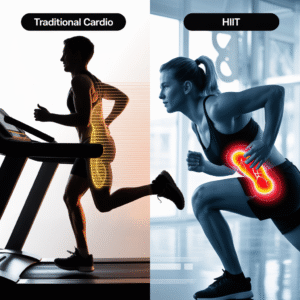
High-Intensity Interval Training (HIIT) workouts, which involve short bursts of intense exercise followed by rest periods, are highly effective for burning fat, including visceral fat. A study published in the Journal of Obesity found that HIIT workouts help reduce visceral fat more effectively than traditional cardio.
HIIT is so effective because it:
- Creates an “afterburn effect” (excess post-exercise oxygen consumption)
- Increases insulin sensitivity
- Triggers fat-burning hormones
- Can be completed in a shorter time than traditional cardio
A popular and effective HIIT workout is high-intensity interval training that cycles between bursts of intense effort and quick recovery. HIIT offers resistance and aerobic training, which can help you burn fat faster.
To incorporate HIIT into your routine, try this beginner-friendly protocol:
- 30 seconds of high-intensity exercise (jumping jacks, burpees, mountain climbers)
- 30 seconds of rest
- Repeat for 15-20 minutes
- Perform 3-4 times per week
Strength Training for Metabolic Health
In fact, one study involving teenagers with overweight showed that a combination of strength training and aerobic exercise led to the greatest decrease in visceral fat. Strength training can be an important weight loss strategy and may help reduce belly fat. Studies suggest it’s even more effective in combination with aerobic exercise.
Adding even moderate strength training to aerobic exercise helps build lean muscle mass, which causes you to burn more calories throughout the entire day, both at rest and during exercise.
A simple strength training routine should include:
- Compound movements (squats, deadlifts, push-ups, rows)
- Progressive overload (gradually increasing weight or resistance)
- 2-3 strength sessions per week
- Focus on form over weight
Consistency and Progressive Overload
The key to seeing results with exercise is consistency and progressive overload—gradually increasing the challenge to your body over time.
The amount of exercise you need for weight loss depends on your goals. For most people, this can mean 30 to 60 minutes of moderate to vigorous exercise nearly every day.
The Physical Activity Guidelines for Americans recommend that adults exercise at a moderate intensity for at least 150 to 300 minutes weekly or at a high intensity for at least 75 to 150 minutes. If you’re unsure where to begin, speak with a healthcare professional or personal trainer who can help develop a safe and effective exercise plan that meets your goals.
Remember, exercise can help reduce your waist circumference. Even if you don’t lose weight, you lose visceral belly fat and gain muscle mass. Engage in at least 30 minutes of moderate-intensity activity most days, such as brisk walking or bicycling at a casual pace.
Strategy 2: Plant-Powered Nutrition Approach
What you eat plays a crucial role in reducing visceral fat. Among the most effective dietary approaches is increasing your intake of plant foods.
The Role of Fiber in Visceral Fat Reduction
According to dietitians, the very best way to reduce visceral fat is by eating more plants. We’re talking about everything from fruits, vegetables and whole grains to legumes, nuts and seeds. So, there are loads of delicious options to keep your taste buds happy and your body fueled!
Few of us are eating the daily 28 to 34 grams of fiber recommended by the Dietary Guidelines for Americans. The good news is plant foods are full of it. So, if you are looking to reduce visceral fat, adding more fiber-heavy fruits, veggies, whole grains, beans and lentils to your diet is a great place to start.
If you’re wondering what makes fiber so helpful, there are plenty of reasons. Fiber has been shown to slow the digestion of food, suppress appetite and reduce the risk of overeating, all of which may promote fat loss, including visceral fat. “Several studies show a link between people who consume more fiber and a reduced risk of belly fat gain,” says Melissa Mitri, M.S., RD, a registered dietitian and owner of Melissa Mitri Nutrition. Plus, many plants are rich in soluble fiber, which has been shown to be especially helpful for reducing belly fat, she adds (top sources include beans, lentils, edamame, oats, barley, apples and pears).
Antioxidants and Inflammatory Response
According to Enright, “Visceral fat is normal for everyone and can actually be beneficial to have in small amounts because it can be protective to organs.” However, she notes that visceral fat ideally should make up at most 10% of your total body fat. Having more visceral fat is linked to higher risk of chronic diseases like heart disease, cancer, cognitive decline, type 2 diabetes and fatty liver disease.
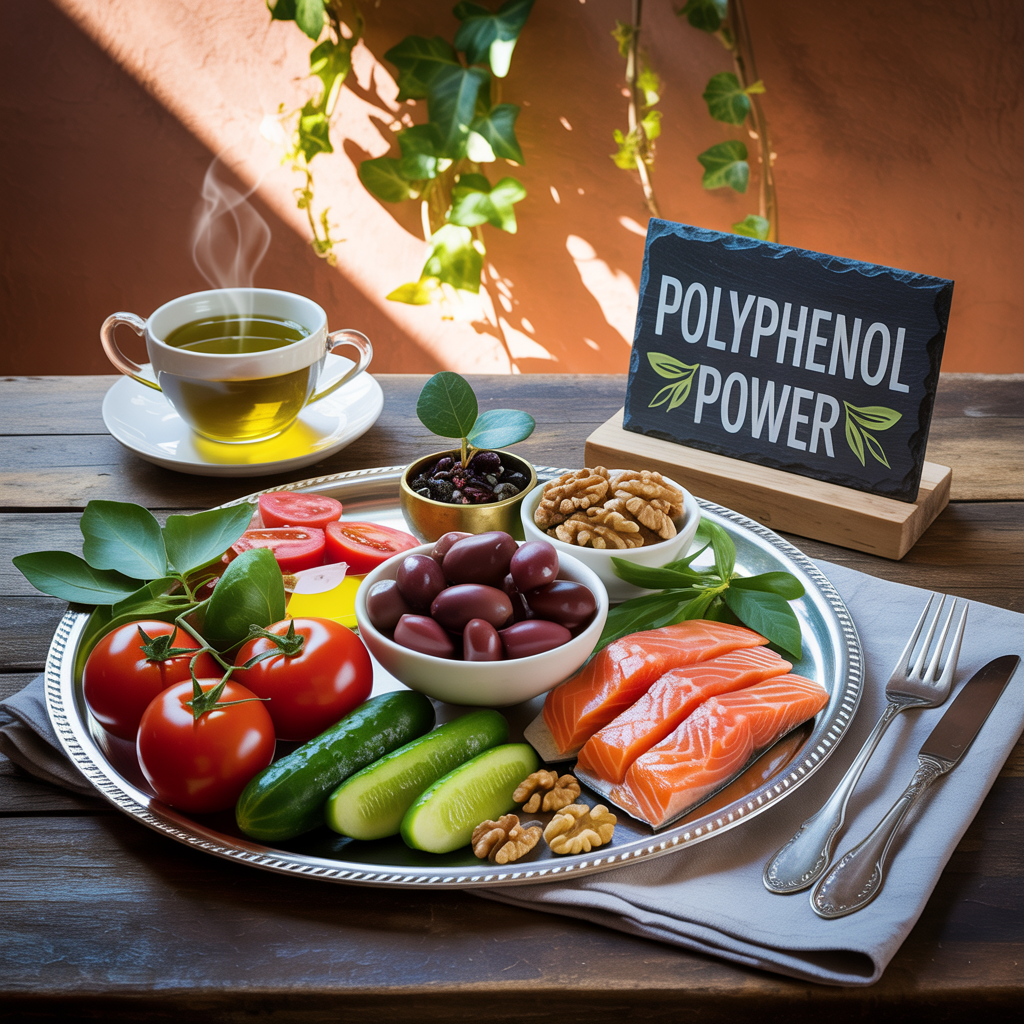
Plants are rich in antioxidants that help combat the inflammation caused by excess visceral fat. Foods particularly high in anti-inflammatory compounds include:
- Berries (blueberries, strawberries, blackberries)
- Leafy greens (spinach, kale, collard greens)
- Colorful vegetables (bell peppers, tomatoes, carrots)
- Nuts and seeds (walnuts, flaxseeds, chia seeds)
- Herbs and spices (turmeric, ginger, cinnamon)
Practical Meal Planning with Plants
To increase your plant intake and reduce visceral fat, try following these practical guidelines:
- Start with a plant-based breakfast:
- Overnight oats with berries and flaxseeds
- Smoothie with spinach, banana, and plant-based protein
- Whole grain toast with avocado and tomatoes
- Make half your plate vegetables at lunch and dinner:
- Large salads with a variety of colorful vegetables
- Roasted vegetable medleys as side dishes
- Vegetable-based soups with beans and whole grains
- Choose whole food snacks:
- Apple with almond butter
- Carrot sticks with hummus
- Handful of berries and nuts
Research suggests that maintaining a calorie deficit is the most important factor for losing weight. This means consuming fewer calories than you burn throughout the day. However, experts recommend avoiding drastic calorie restrictions because they could lead to nutrient deficiencies, starvation, yo-yo dieting, and other health complications. Instead, consider reducing your daily calorie intake by 500 calories. This could help you lose around 1 pound weekly, which falls within the Centers for Disease Control and Prevention’s weekly weight loss targets of 1 to 2 pounds.
Strategy 3: Mindful Eating Practices
Visceral fat, sometimes referred to as belly fat, can increase the risk of chronic diseases. Mindless and distracted eating may make it harder to lose visceral fat. Eating mindfully may prevent overeating and help you make healthier food choices.
Breaking the Distracted Eating Cycle
Many of us get the dreaded Sunday “scaries” simply thinking about how much needs to be done starting early Monday morning. From getting out the door on time to juggling your tasks for the day, you may find yourself eating meals and snacks while typing away on the computer, answering a work call or in the car rushing to your next destination. Eating while distracted or when you’re not actually hungry—also referred to as mindless eating—are habits that may be getting in the way of losing stubborn belly fat.
Spending more time in front of screens—whether TVs, computers or smartphones—has been linked to an increased risk of obesity. Consistently eating more calories than your body needs can lead to weight gain and increase the risk of obesity and visceral fat accumulation. Violeta Morris, M.S., RDN, of The Concierge Dietitian, says, “Individuals with obesity, a medical condition affecting one-third of the world’s population, often have higher amounts of visceral fat.”
Hunger Awareness and Satiety Signals
Taste is an important factor in satiety, and when you’re not as aware of how your food tastes, you may be more likely to overeat. One small study found that individuals with overweight or obesity had reduced levels of perceived taste when the difficulty of a video game increased. More research is needed to fully understand how mindless and distracted eating might affect taste perception, weight and belly fat. However, it’s still worth trying to slow down and savor your meal—even if it’s just to make your dining (or snacking) experience more enjoyable.
Learning to recognize true hunger and fullness signals can help prevent overeating. Try these techniques:
- Rate your hunger on a scale of 1-10 before eating
- Eat slowly and pause halfway through your meal
- Stop eating when you feel about 80% full
- Wait 20 minutes before deciding on seconds
Implementing Mindful Eating Techniques
To practice mindful eating and reduce visceral fat:
- Create a dedicated eating environment:
- Turn off screens and put away phones
- Sit at a table rather than eating on the go
- Use a plate for all meals and snacks, even small ones
- Engage your senses:
- Notice the colors, smells, and textures of your food
- Take small bites and chew thoroughly
- Put down your utensils between bites
- Practice gratitude:
- Take a moment to appreciate where your food came from
- Consider the nourishment it provides your body
- Express gratitude for having access to healthy food
Implementing these simple mindful eating techniques can significantly impact your visceral fat levels by preventing overconsumption and improving your relationship with food.
Strategy 4: Sleep Optimization for Fat Loss
Getting enough high-quality sleep is vital for your health, according to the Centers for Disease Control and Prevention. Research has found that a lack of sleep may raise your risk of visceral fat gain. Conversely, increasing your sleep may help reduce visceral fat.
The Connection Between Sleep and Visceral Fat
The condition known as sleep apnea, where breathing stops intermittently during the night, has also been linked to excess visceral fat. In addition to sleeping at least 7 hours per night, make sure you’re getting sufficient quality sleep. If you suspect you have sleep apnea or another sleep disorder, consider speaking to a doctor about treatment options. Sleep deprivation is linked to an increased risk of weight gain. Getting enough high-quality sleep is important if you’re trying to lose weight.
Poor sleep affects visceral fat accumulation through several mechanisms:
- Increases hunger hormones (ghrelin)
- Decreases satiety hormones (leptin)
- Elevates cortisol levels (stress hormone)
- Reduces energy for physical activity
- Impairs insulin sensitivity
Optimal Sleep Duration and Quality
Most adults need 7-9 hours of sleep per night for optimal health and fat loss. However, quality matters just as much as quantity. Signs of poor sleep quality include:
- Waking frequently during the night
- Not feeling refreshed upon waking
- Excessive daytime sleepiness
- Taking more than 30 minutes to fall asleep
To improve your sleep quality and duration:
- Maintain a consistent sleep schedule:
- Go to bed and wake up at the same times, even on weekends
- Create a relaxing bedtime routine
- Avoid stimulating activities before bed
- Optimize your sleep environment:
- Keep your bedroom cool (65-68°F/18-20°C)
- Eliminate light sources (use blackout curtains if needed)
- Reduce noise (use a white noise machine if necessary)
- Invest in a comfortable mattress and pillows
- Monitor your daytime habits:
- Limit caffeine after noon
- Exercise regularly, but not too close to bedtime
- Get exposure to natural daylight during the day
- Limit alcohol consumption, especially near bedtime
Strategy 5: Stress Management Techniques
Chronic stress can lead to elevated levels of cortisol, a hormone that promotes fat storage, particularly in the abdominal area. Stress is one of the primary reasons for increased belly fat. Sedentary jobs and prolonged periods of sitting can slow down metabolism and lead to fat accumulation.
Cortisol’s Impact on Visceral Fat Storage
Stress is a significant factor in visceral fat accumulation. Stress activates a hormone in your body called cortisol. More cortisol activates your body’s “fight-or-flight” response, which triggers the storage of more visceral fat.
Cortisol encourages fat storage around the abdominal organs because:
- These fat cells have more receptors for cortisol
- Visceral fat provides quick energy during perceived threats
- Chronic stress keeps cortisol levels elevated, promoting continuous fat storage
Science-Backed Stress Reduction Methods
Research has identified several effective methods for reducing stress and, consequently, visceral fat:
- Mindfulness meditation:
- As little as 10 minutes daily can reduce cortisol levels
- Apps like Headspace, Calm, or Insight Timer offer guided sessions
- Focus on breath awareness and present-moment consciousness
- Physical activity:
- Exercise reduces cortisol and releases endorphins
- Even a short walk can provide immediate stress relief
- Mind-body exercises like yoga and tai chi are particularly effective
- Deep breathing techniques:
- Box breathing (4 counts in, 4 counts hold, 4 counts out, 4 counts hold)
- Diaphragmatic breathing (belly breathing)
- 4-7-8 breathing method (4 counts in, 7 counts hold, 8 counts out)
Building Stress Resilience for Long-Term Success
Developing stress resilience helps prevent visceral fat accumulation over the long term:
- Social connections:
- Maintain supportive relationships
- Share concerns with trusted friends or family
- Consider joining support groups related to health goals
- Time management:
- Prioritize essential tasks
- Learn to set boundaries
- Schedule regular breaks throughout the day
- Cognitive restructuring:
- Challenge negative thought patterns
- Practice positive self-talk
- Focus on gratitude and perspective-taking
Implementing these stress management techniques can significantly impact your body’s tendency to store visceral fat, creating a more favorable environment for fat loss.
Incorporating Supplements and Meal Plans
While diet and lifestyle form the foundation of visceral fat reduction, certain supplements and structured meal plans can enhance your results.
Evidence-Based Supplements for Visceral Fat Loss
Probiotics are live bacteria that can benefit your gut and digestive health. They’re found in foods like yogurt, kefir, and sauerkraut and are available as supplements. Prebiotics are the foods that feed these bacteria and are essential for the health of your gut microbiome.
A 2022 study found that supplementing with prebiotics and probiotics for 90 days helped reduce visceral fat by 35% in participants with overweight compared with those who supplemented with a placebo.
Other supplements with evidence for visceral fat reduction include:
- Omega-3 fatty acids:
- Reduce inflammation
- Improve insulin sensitivity
- Sources: fish oil, algae oil (for vegetarians/vegans)
- Dosage: 1-3g daily of combined EPA and DHA
- Green tea extract:
- Contains catechins that may boost metabolism
- May enhance fat oxidation during exercise
- Dosage: 400-500mg standardized extract daily
- Berberine:
- Improves insulin sensitivity
- May activate AMP-activated protein kinase (AMPK)
- Dosage: 500mg, 2-3 times daily
Remember that supplements should complement, not replace, a healthy diet and lifestyle.
Sample 7-Day Meal Plan for Reducing Visceral Fat
Here’s a simple 7-day meal plan focused on visceral fat reduction:
Day 1
- Breakfast: Greek yogurt with berries and flaxseeds
- Lunch: Lentil soup with mixed greens salad
- Dinner: Baked salmon with roasted vegetables
- Snack: Apple with almond butter
Day 2
- Breakfast: Vegetable omelet with whole grain toast
- Lunch: Quinoa bowl with chickpeas and roasted vegetables
- Dinner: Grilled chicken with steamed broccoli and brown rice
- Snack: Handful of nuts and a piece of fruit
Day 3
- Breakfast: Overnight oats with chia seeds and berries
- Lunch: Turkey and avocado wrap with vegetables
- Dinner: Stir-fried tofu with vegetables and quinoa
- Snack: Greek yogurt with cinnamon
Day 4
- Breakfast: Green smoothie with spinach, banana, and protein powder
- Lunch: Mediterranean salad with olive oil dressing
- Dinner: Baked white fish with asparagus and sweet potato
- Snack: Carrot sticks with hummus
Day 5
- Breakfast: Avocado toast on whole grain bread with poached eggs
- Lunch: Black bean soup with side salad
- Dinner: Grilled lean steak with roasted Brussels sprouts
- Snack: Small handful of berries and walnuts
Day 6
- Breakfast: Protein pancakes with fresh fruit
- Lunch: Salmon salad with mixed greens and olive oil
- Dinner: Turkey meatballs with zucchini noodles
- Snack: Celery with nut butter
Day 7
- Breakfast: Vegetable frittata with side of fruit
- Lunch: Chicken and vegetable stir-fry with brown rice
- Dinner: Lentil pasta with tomato sauce and side salad
- Snack: Pear with cheese
When and How to Use Supplements Effectively
For maximum benefit, follow these guidelines when using supplements:
- Consult healthcare providers:
- Discuss supplements with your doctor before starting
- Check for potential interactions with medications
- Consider getting blood work to identify deficiencies
- Choose quality products:
- Look for third-party testing (USP, NSF, Consumer Lab)
- Select reputable brands with transparent sourcing
- Consider form and bioavailability
- Timing and consistency:
- Take fat-soluble supplements with meals containing healthy fats
- Water-soluble supplements can often be taken on an empty stomach
- Be consistent—results require regular use over time
Remember that supplements are meant to supplement a healthy lifestyle, not replace it. The foundation of visceral fat loss remains a nutritious diet, regular exercise, adequate sleep, stress management, and mindful eating.
Conclusion
Reducing visceral fat is not merely about looking better—it’s about fundamentally improving your health and reducing your risk of chronic diseases. The good news is that visceral fat is actually easier to lose than subcutaneous fat. “Visceral fat is actually easier to lose than subcutaneous fat because it metabolizes faster, meaning you’re more likely to burn visceral fat for energy,” says Enright.
By implementing the five strategies we’ve discussed—evidence-based exercise protocols, plant-powered nutrition, mindful eating practices, sleep optimization, and stress management techniques—you can effectively target this dangerous hidden fat.
If you start regularly exercising and eating a healthy diet, you should start to see results in two to three months. The best way to lose visceral fat is by maintaining a healthy lifestyle.
Remember that sustainable results come from consistent habits rather than quick fixes or extreme approaches. Small, gradual changes that you can maintain long-term will yield better results than drastic measures that are impossible to sustain.
You might not be able to see visceral fat, but that doesn’t mean you shouldn’t worry about it. Too much visceral fat can have harmful effects on your health. Fortunately, visceral fat is actually easier to lose than visible subcutaneous fat. By maintaining a healthy diet and keeping up with regular exercise, you should be able to prevent visceral fat from building up in your abdominal cavity. If you suspect you may have too much visceral fat in your belly, talk to your healthcare provider. They can talk to you about your health risks and recommend a diet and exercise plan that’ll work for you.
Start today with just one small change. Perhaps it’s adding an extra serving of vegetables to your lunch, taking a 10-minute walk after dinner, or setting a consistent bedtime. Build from there, adding new healthy habits as the previous ones become routine.
Your journey to reducing visceral fat is a journey to better health—one that’s well worth the effort. Your future self will thank you for the steps you take today to address this hidden health risk.