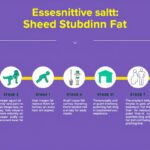



You’ll maximize belly fat reduction through three evidence-based protocols: HIIT circuits that boost EPOC for 48-hour metabolic enhancement, core-focused bodyweight routines targeting transverse abdominis and obliques, and cardio-strength combinations that amplify caloric expenditure. Execute 20-30 second high-intensity intervals with 10-15 second active recovery, maintaining 80-90% maximum heart rate while prioritizing proper biomechanics over speed. These synergistic approaches transform your metabolism into a fat-burning powerhouse when you master the particular techniques ahead.
Key Takeaways
- HIIT circuits with burpees, mountain climbers, and squat jumps burn maximum calories and boost metabolism for 48 hours post-workout.
- Core-focused routines targeting all abdominal muscles through planks, dead bugs, and hollow holds directly strengthen and tone the midsection.
- Cardio-strength combo workouts alternate between high-intensity bodyweight moves and resistance exercises for synergistic fat-burning effects.
- Work intervals of 20-30 seconds followed by 10-15 seconds active recovery optimize fat loss while maintaining sustainable intensity.
- Beginners should prioritize proper form over speed, extend rest periods, and monitor heart rate to prevent injury.
High-Intensity Interval Training (HIIT) Circuit for Maximum Fat Burn
When you’re serious about torching belly fat, HIIT circuits deliver the metabolic boost your body needs to maximize caloric expenditure both during and after exercise. You’ll experience enhanced EPOC (excess post-exercise oxygen consumption), elevating your metabolic rate for up to 48 hours post-workout. HIIT benefits include improved insulin sensitivity, increased mitochondrial density, and accelerated lipolysis.
Structure your circuits with 20-30 seconds of high-intensity work followed by 10-15 seconds of active recovery. Incorporate compound movements like burpees, mountain climbers, and squat jumps to engage multiple muscle groups simultaneously. You’ll need workout modifications based on your fitness level—beginners should extend rest periods and reduce impact. Always prioritize proper form over speed to prevent injury. Complete 4-6 rounds, monitoring your heart rate to guarantee you’re reaching 80-90% of maximum capacity during work intervals.
Core-Focused Bodyweight Routine to Strengthen and Tone Your Midsection
Three key muscle groups comprise your core system: the rectus abdominis, transverse abdominis, and obliques, each requiring targeted activation through particular movement patterns. You’ll maximize results by incorporating plank variations that challenge isometric endurance while maintaining neutral spine alignment. Start with standard planks, progressing to side planks and bird-dog holds as your neuromuscular control improves.
Execute stability exercises like dead bugs and hollow body holds to enhance intermuscular coordination. These movements recruit deep stabilizers while minimizing compensatory patterns. Perform each exercise for 30-60 seconds, focusing on proper breathing mechanics—exhale during exertion phases to optimize intra-abdominal pressure.
Complete three rounds with 15-second rest intervals. Monitor form deterioration as fatigue accumulates, terminating sets when technique compromises. This systematic approach guarantees progressive overload while preventing injury.
Cardio and Strength Combo Workout for Full-Body Fat Loss
While isolated cardio and strength training offer distinct benefits, combining these modalities creates a synergistic effect that amplifies excess post-exercise oxygen consumption (EPOC) and metabolic rate elevation. You’ll maximize fat oxidation by alternating between high-intensity bodyweight exercises and resistance movements in circuit training format.
| Exercise Type | Duration | Target RPE |
|---|---|---|
| Jump Squats | 45 seconds | 7-8/10 |
| Push-ups | 30 seconds | 6-7/10 |
| Mountain Climbers | 40 seconds | 8-9/10 |
You’re activating multiple muscle groups simultaneously, increasing caloric expenditure beyond traditional steady-state cardio. Perform circuits with 15-second intervals between exercises, maintaining proper form throughout. Complete 4-6 rounds with 90-second recovery periods. Monitor your heart rate variability and adjust intensity if you experience dizziness or excessive breathlessness.
Frequently Asked Questions
How Long Does It Take to See Visible Belly Fat Reduction Results?
You’ll typically notice visible changes in abdominal adiposity within 4-8 weeks, though individual timeframe expectations vary based on genetics, adherence, and baseline composition. Safe, sustainable fat loss occurs at 1-2 pounds weekly through consistent caloric deficit.
Can I Target Belly Fat Loss Without Changing My Diet?
You can’t achieve spot reduction through exercise alone. While high exercise intensity improves metabolic function, creating a caloric deficit through dietary modifications remains essential for reducing visceral adipose tissue safely and effectively long-term.
Is It Safe to Do Belly Fat Workouts Every Single Day?
You shouldn’t exercise the same muscle groups daily. Your body needs recovery time for muscle repair and growth. Alternate between cardio and strength training, allowing 48-hour rest periods between intense abdominal workouts for ideal safety.
Will These Exercises Help With Loose Skin After Weight Loss?
Exercise can’t directly tighten loose skin post weight loss, but strength training may improve skin elasticity slightly. You’ll need realistic expectations – considerable skin laxity often requires medical interventions. Consult dermatologists for evidence-based treatment options.
Do Genetics Affect Where I Lose Fat First on My Body?
Yes, you’ll lose fat in a genetically predetermined pattern. Genetic factors control fat distribution and mobilization sequences. You can’t spot-reduce through exercise—your body’s programmed to lose fat from particular areas first, regardless of targeted workouts.
Conclusion
You’ve learned three evidence-based protocols targeting visceral adipose tissue reduction. Remember, spot reduction isn’t physiologically possible—systemic fat loss through consistent caloric deficit remains paramount. Prioritize proper form over intensity to prevent musculoskeletal injuries. Monitor your heart rate during HIIT sessions, staying within 70-85% of maximum capacity. Combine these workouts with adequate protein intake and progressive overload principles. You’ll see measurable results in 8-12 weeks with adherence to frequency, intensity, time, and type parameters.