


You’ll accelerate fat loss by executing seven evidence-based nutritional strategies. Prioritize protein at every meal to boost your thermic effect and preserve muscle mass. Time carbohydrates around workouts for ideal performance and recovery. Stay consistently hydrated to maintain metabolic rate. Include omega-3 rich foods and healthy fats for enhanced nutrient absorption. Practice portion control using visual cues rather than calorie counting. These science-backed approaches create sustainable results when you understand the mechanisms behind each strategy.
Key Takeaways
- Prioritize protein intake of 0.8-1g per pound of body weight to boost metabolism and preserve muscle mass.
- Time carbohydrates around workouts for optimal performance and enhanced fat oxidation on rest days.
- Stay hydrated with half your body weight in ounces daily to maintain metabolic rate and support fat burning.
- Include omega-3 rich foods and healthy fats to reduce inflammation and improve nutrient absorption.
- Practice portion control using visual cues and mindful eating techniques to create sustainable caloric deficits.
Prioritize Protein at Every Meal
When you’re aiming for fat loss, protein becomes your most valuable macronutrient ally. Research demonstrates that protein has the highest thermic effect of food (TEF), requiring 20-30% of its calories for digestion and metabolism. You’ll preserve lean muscle mass during caloric restriction while boosting satiety hormones like peptide YY and GLP-1.
Aim for 0.8-1g per pound of body weight daily. Quality protein sources include chicken breast, Greek yogurt, eggs, tofu, and legumes. Structure your meal examples strategically: breakfast with scrambled eggs and cottage cheese, lunch featuring grilled salmon over quinoa, and dinner combining lean beef with vegetables. You’ll optimize muscle protein synthesis by distributing intake evenly across meals, consuming 25-35g per sitting. This approach maximizes metabolic efficiency while controlling hunger.
Time Your Carbohydrates Around Workouts
Three key windows determine ideal carbohydrate timing for maximum fat loss results. First, you’ll benefit from consuming complex carbs 2-3 hours before training to fuel workout intensity. Second, simple carbs during extended sessions (90+ minutes) maintain performance. Third, post-workout carbs within 30-60 minutes optimize recovery and muscle glycogen replenishment.
Your carb timing strategy should match your training demands. High-intensity workouts require more carbohydrate support than steady-state cardio. On rest days, you’ll enhance fat oxidation by limiting carbs to vegetables and small portions with meals. This approach maintains insulin sensitivity while preserving lean muscle mass. Research confirms that strategic carbohydrate periodization improves body composition more effectively than random distribution throughout the day.
Stay Hydrated Throughout the Day
While proper nutrition drives fat loss, adequate hydration amplifies your metabolic efficiency and exercise performance. You’ll enhance fat oxidation when executing strategic hydration strategies throughout your day. Research demonstrates that even mild dehydration reduces metabolic rate by 2-3%.
| Timing | Water Consumption |
|---|---|
| Upon waking | 16-20 oz |
| Pre-meal (30 min) | 8-12 oz |
| During exercise | 6-8 oz/20 min |
| Post-workout | 16-24 oz |
Your body requires adequate hydration for lipolysis—the breakdown of stored triglycerides. Aim for half your body weight in ounces daily, adjusting for activity level and climate. You’ll boost thermogenesis and suppress appetite-stimulating hormones when properly hydrated. Monitor urine color; pale yellow indicates ideal hydration status for maximizing fat loss potential.
Include Healthy Fats in Your Diet
Beyond optimizing your hydration, incorporating healthy fats into your nutrition plan accelerates fat loss through enhanced hormonal balance and sustained satiety. You’ll benefit from consuming omega-3 rich fatty fish like salmon twice weekly, which reduces inflammation and supports metabolic function. Add avocado benefits to your meals through its monounsaturated fats that promote nutrient absorption.
Diversify your fat sources with nut varieties including almonds and walnuts, while incorporating chia seeds and experiencing flaxseed benefits through their alpha-linolenic acid content. Use extra-virgin olive oil for cooking and dressings, and include moderate amounts of coconut oil for its medium-chain triglycerides. You can even enjoy dark chocolate (70% cacao minimum) occasionally, as its polyphenols support cardiovascular health while satisfying cravings.
Practice Portion Control Without Counting Calories
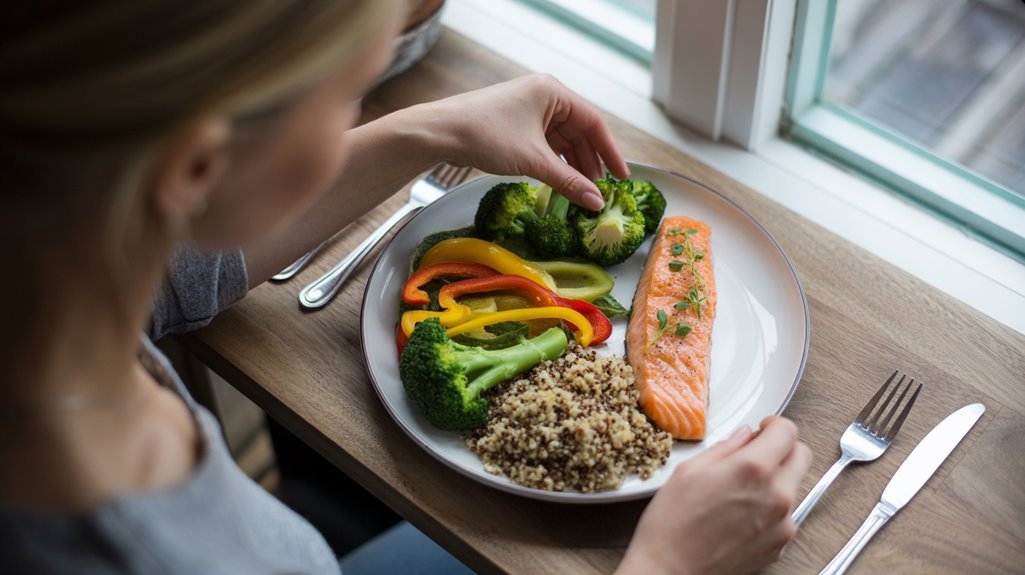
When you’re seeking sustainable fat loss, mastering portion control without obsessive calorie counting provides a practical approach that maintains metabolic flexibility. You’ll benefit from using visual cues like comparing protein portions to your palm size, carbohydrates to your cupped hand, and fats to your thumb. These anthropometric references naturally scale with your body size and metabolic needs.
Practice mindful eating by eliminating distractions during meals. You’ll enhance satiety signaling when you chew thoroughly and pause between bites. Research demonstrates that slower eating rates correlate with reduced energy intake and improved appetite regulation.
Use smaller plates to leverage the Delboeuf illusion, which makes portions appear larger. You’re naturally inclined to consume less when using 9-inch versus 12-inch plates, achieving an approximate 22% reduction in intake without conscious restriction.
Plan and Prep Your Meals in Advance
Having established effective portion control strategies, you’ll maximize these benefits through strategic meal planning and preparation. Research demonstrates that meal prepping considerably improves dietary adherence and promotes consistent caloric deficits necessary for fat loss.
Start by creating a weekly grocery planning system. You’ll need to inventory your kitchen, design balanced meals incorporating lean proteins, complex carbohydrates, and vegetables, then generate an extensive shopping list. This approach prevents impulsive food choices and guarantees nutrient-dense options remain readily available.
Dedicate 2-3 hours weekly to batch-cooking proteins, chopping vegetables, and portioning meals into containers. You’re fundamentally creating a personalized meal delivery system that eliminates decision fatigue and reduces reliance on processed foods. Studies indicate that individuals who meal prep consume 50% less fast food and maintain more stable blood glucose levels throughout the day.
Focus on Whole Foods Over Processed Options
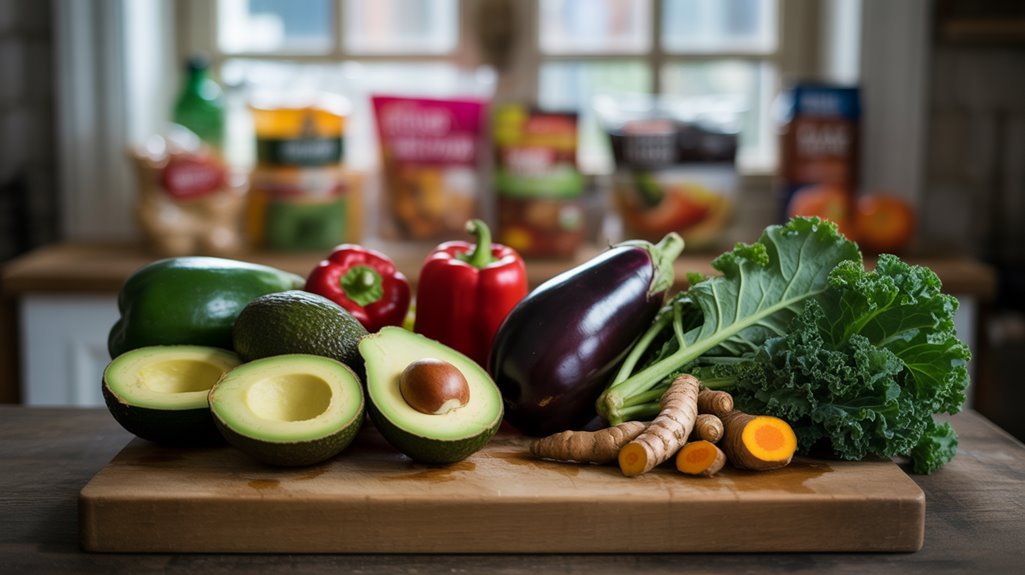
Since processed foods often contain hidden sugars, excessive sodium, and artificial additives that sabotage fat loss efforts, you’ll achieve better results by prioritizing whole, unprocessed alternatives. Whole food benefits include higher nutrient density, better satiety signaling, and improved metabolic function. They’re naturally rich in fiber, vitamins, and minerals that support ideal body composition.
Processed food drawbacks extend beyond empty calories. They’re engineered to override satiety mechanisms, leading to overconsumption. Furthermore, they promote inflammation and insulin resistance, both detrimental to fat metabolism. You’ll find whole foods require more energy to digest, increasing thermogenesis and supporting caloric deficit.
Choose fresh vegetables, lean proteins, whole grains, and raw nuts over packaged snacks, refined carbohydrates, and convenience meals. This shift enhances nutrient absorption while naturally reducing caloric intake.
Frequently Asked Questions
How Long Does It Take to See Visible Fat Loss Results?
You’ll typically notice visible changes in body composition within 4-8 weeks of consistent effort. Individual results vary based on genetics, starting point, and adherence. Most people see initial improvements around week 6.
Can I Drink Alcohol While Trying to Lose Fat?
You can drink alcohol while losing fat, but it’ll slow progress. Alcohol effects include metabolic disruption and empty calories. Through careful calorie counting, you can fit moderate amounts in, though it’s not ideal for results.
Should I Take Fat-Burning Supplements or Weight Loss Pills?
You’ll find limited evidence supporting fat burning effectiveness of most supplements. Weight loss safety concerns include unregulated ingredients and potential side effects. Focus on proven methods: calorie deficit, exercise, and whole foods rather than quick fixes.
How Do I Handle Social Events and Restaurants While Dieting?
You’ll succeed at social events by practicing portion control and mindful eating. Research shows eating slowly increases satiety hormones. Choose protein-rich options first, limit alcohol intake, and focus on conversation rather than constant eating.
Will Lifting Weights Make Me Bulky Instead of Lean?
You won’t get bulky from weight training alone. Muscle growth requires progressive overload, surplus calories, and particular hormones. Lifting actually enhances fat loss by increasing metabolism and creating a lean, toned physique when combined with proper nutrition.
Conclusion
You’ve now got seven evidence-based strategies to optimize your fat loss journey. By prioritizing protein, timing carbohydrates strategically, maintaining proper hydration, incorporating essential fatty acids, controlling portions mindfully, preparing meals ahead, and choosing nutrient-dense whole foods, you’re creating a sustainable metabolic environment for fat oxidation. Remember, consistency trumps perfection. Apply these tips gradually, monitor your body’s responses, and adjust as needed. Your success depends on adherence to these scientifically-supported nutritional principles over time.