



You’ll release fat loss by creating a strategic meal plan with a precise caloric deficit and ideal macronutrient ratios. Focus on batch-prepping protein-rich meals with 20-30g protein per serving, filling half your plate with non-starchy vegetables, and tracking your intake through apps or journals. Research shows pre-planning reduces dining out calories by 23%, while consistent meal timing improves insulin sensitivity. Master these evidence-based strategies to transform your body composition permanently.
Key Takeaways
- Create a sustainable caloric deficit by tracking intake and focusing on whole foods with higher protein ratios.
- Batch prep proteins and vegetables weekly to control portions and reduce decision fatigue while maintaining variety.
- Time meals strategically using methods like 16:8 intermittent fasting or smaller frequent meals based on energy monitoring.
- Build satisfying plates with 20-30g protein, fiber-rich vegetables, and healthy fats to prevent hunger between meals.
- Track progress through weekly photos and measurements, adjusting meal plans every 4-6 weeks to prevent plateaus.
Understanding Your Caloric Deficit and Macronutrient Balance
When you’re planning meals for fat loss, you’ll need to establish a caloric deficit that allows your body to tap into stored fat for energy while maintaining adequate nutrition. Your energy balance determines whether you’ll lose, maintain, or gain weight. Calculate your daily needs based on metabolism factors like age, activity level, and body composition.
Focus on macro ratios that support satiety and muscle preservation—typically higher protein, moderate carbohydrates, and adequate healthy fats. Use tracking methods like apps or food journals to monitor portion control and caloric balance. Pay attention to hunger cues and adjust nutrient timing to optimize performance and recovery. Prioritize food quality over restriction, choosing whole foods that align with your dietary preferences while maintaining the deficit needed for sustainable fat loss.
Building Your Weekly Meal Planning Framework
Now that you’ve established your caloric deficit and macronutrient targets, you’ll need a systematic approach to translate these numbers into actual meals. Your weekly framework starts with setting precise calorie targets for each day, then organizing efficient batch prep strategies that maximize nutrient density while minimizing cooking time. By establishing consistent meal timing patterns based on your schedule and hunger cues, you’ll create a sustainable structure that supports steady fat loss without constant decision-making.
Set Your Calorie Target
Three fundamental factors determine your ideal calorie target for fat loss: your basal metabolic rate (BMR), activity level, and desired rate of weight loss. You’ll need to calculate your BMR using your age, height, weight, and sex, then multiply by your activity factor (1.2-1.9) to establish maintenance caloric needs.
For sustainable fat loss, create a 500-750 calorie deficit from your maintenance level. This promotes 1-1.5 pounds of weekly weight loss while preserving muscle mass. Aggressive deficits below 1,200 calories for women or 1,500 for men can trigger metabolic adaptation and nutrient deficiencies.
Target setting requires precision—track your intake for one week, monitor weight changes, then adjust accordingly. Remember: consistent moderate deficits outperform extreme restrictions for long-term success.
Batch Prep Strategies
After establishing your calorie target, you’ll maximize success by utilizing strategic batch preparation methods that streamline your weekly eating schedule. You’ll save time while guaranteeing consistent nutrition by preparing multiple servings simultaneously.
| Prep Day | Proteins | Vegetables |
|---|---|---|
| Sunday | Grilled chicken, baked tofu | Roasted broccoli, bell peppers |
| Wednesday | Lean beef, turkey meatballs | Steamed asparagus, sautéed spinach |
| Friday | Baked salmon, hard-boiled eggs | Raw carrots, cucumber slices |
Batch prep benefits include reduced decision fatigue and better portion control. You’ll create recipe variations by mixing prepped ingredients differently throughout the week. For example, Sunday’s chicken becomes Monday’s salad, Tuesday’s stir-fry, and Wednesday’s wrap. This approach guarantees you’re meeting macronutrient targets while preventing meal monotony.
Meal Timing Patterns
When you’re structuring your weekly eating schedule, meal timing patterns directly influence metabolic efficiency and adherence to your fat loss goals. You’ll optimize results by selecting an approach that matches your lifestyle while supporting consistent energy levels.
Consider these evidence-based timing strategies:
- 16:8 Intermittent Fasting – Compress eating into 8 hours, improving insulin sensitivity
- Traditional 3-Meal Structure – Maintain stable blood sugar with balanced portions every 4-5 hours
- Modified Meal Frequency – Consume 4-5 smaller meals to control hunger hormones
- Time-Restricted Feeding – Align eating windows with circadian rhythms for metabolic optimization
Your chosen pattern should prioritize protein distribution throughout feeding windows while ensuring adequate nutrient density. Track energy levels and satiety responses to determine which timing strategy best supports your fat loss progression.
Strategic Grocery Shopping for Fat Loss Success
Since you’ll spend roughly 80% of your fat loss journey in the kitchen rather than the gym, mastering strategic grocery shopping becomes your most powerful tool for sustainable results. You’ll maximize success by executing smart grocery logistics: create detailed shopping lists organized by store layout, prioritize seasonal produce for nutrient density and budget-friendly options, and establish go-to protein sources like lean meats, legumes, and Greek yogurt.
Stock pantry staples including quinoa, oats, and canned beans while planning healthy snack ideas in advance. Research shows pre-planned shopping reduces impulse control issues by 73%. Consider organic choices for the “Dirty Dozen” produce items highest in pesticides. Make smart substitutions—cauliflower rice for white rice, zucchini noodles for pasta—to slash calories without sacrificing satisfaction.
Batch Cooking and Meal Prep Strategies That Save Time

Transform your fat loss journey by dedicating one to two hours each week to batch cooking lean proteins, complex carbohydrates, and fibrous vegetables that’ll fuel your body for days. You’ll maximize nutrient retention and portion control by investing in quality glass containers that stack efficiently in your refrigerator and maintain food freshness. This systematic approach eliminates daily cooking stress while ensuring you’re consistently meeting your macronutrient targets for ideal fat loss.
Weekly Prep Sessions
While most people spend hours each week deciding what to eat and preparing individual meals, you can streamline your fat loss journey through strategic weekly prep sessions. These focused blocks of time transform your nutrition approach from reactive to proactive.
Your weekly prep routine should include:
- Protein batch cooking – Grill chicken, bake fish, and prepare lean ground turkey for multiple meals
- Vegetable processing – Wash, chop, and store fresh produce in portioned containers
- Complex carb preparation – Cook quinoa, brown rice, and sweet potatoes in bulk
- Portion control setup – Pre-measure nuts, seeds, and healthy fats into single servings
This systematic approach guarantees meal variety while maintaining consistent macronutrient targets. You’ll eliminate decision fatigue and reduce the likelihood of impulsive food choices that derail fat loss progress.
Container Storage Systems
Three key container types will revolutionize your meal prep efficiency and preserve food quality throughout the week. Glass containers offer superior storage longevity and won’t absorb odors or stains. BPA-free plastic provides lightweight, stackable space optimization for your fridge. Silicone bags create airtight alternatives for marinades and pre-portioned ingredients.
You’ll maximize kitchen efficiency by executing smart organization tips. Use clear containers to quickly identify contents, and establish consistent label systems noting prep dates and macros. Color-code lids for different meal categories—proteins, carbs, and vegetables—to streamline assembly.
For precise portion control, invest in containers with measurement markings. Stack square containers to optimize vertical space, and nest empty ones to minimize cabinet clutter. These systematic approaches guarantee you’ll maintain consistent nutrition goals while reducing daily meal prep time.
Creating Balanced Meals That Keep You Satisfied
When you’re creating meals for fat loss, the key to long-term success lies in building plates that deliver sustained satiety through strategic nutrient combinations. You’ll achieve better portion control by prioritizing protein, fiber, and healthy fats that regulate hunger hormones and stabilize blood sugar levels.
Follow these evidence-based principles for maximum satisfaction:
Build plates with protein, fiber, and healthy fats for sustained fullness and optimal fat loss results.
- Fill half your plate with non-starchy vegetables – they’re nutrient-dense and high-volume
- Include 20-30g protein per meal – promotes fullness and preserves muscle mass
- Add 1-2 tablespoons healthy fats – enhances nutrient absorption and satiety
- Incorporate complex carbohydrates – provides sustained energy without blood sugar spikes
Between meals, choose satisfying snacks combining protein and fiber, like Greek yogurt with berries or vegetables with hummus, to maintain steady energy and prevent overeating.
Tracking Progress Without Obsessing Over Every Calorie

You don’t need to log every bite to track your fat loss effectively. Taking weekly photos in consistent lighting and clothing provides visual evidence of body composition changes that the scale might miss, while monitoring your energy levels throughout the day reveals whether your meal plan adequately fuels your metabolism and daily activities. These two simple metrics offer meaningful feedback about your nutrition’s impact without the mental burden of constant calorie counting.
Weekly Photo Comparisons
How often do you step on the scale, only to feel frustrated when the number doesn’t reflect your hard work? Weekly progress photos capture changes that scales can’t measure. They’re your most reliable visual motivation tool for tracking body composition shifts.
Here’s how to maximize photo comparisons:
- Same time weekly – Morning photos before eating guarantee consistency
- Identical conditions – Use matching lighting, angles, and minimal clothing
- Three angles – Capture front, side, and back views for complete assessment
- Store systematically – Date each photo set for easy comparison
You’ll notice muscle definition, posture improvements, and fat distribution changes that numbers miss. This evidence-based approach reveals true transformation without daily weigh-in stress, keeping you focused on sustainable habits.
Energy Level Monitoring
Why does your afternoon energy crash in spite of eating “perfectly” all day? You’re likely missing vital connections between meal timing, nutrient density, and sustained energy. Track your energy fluctuations throughout the day alongside your meals to identify patterns. Note when you feel alert versus sluggish, and correlate these with what you’ve eaten 2-3 hours prior.
Incorporate mood tracking into this process. Document irritability, focus levels, and motivation alongside energy readings. Research shows blood sugar stability directly impacts both energy and emotional regulation. If you’re experiencing crashes, examine your protein-to-carbohydrate ratios and meal spacing. Adequate protein and fiber slow glucose absorption, preventing spikes and subsequent drops. This data reveals which meal combinations fuel sustained performance versus temporary bursts followed by fatigue.
Navigating Social Events and Dining Out While Staying on Track
When social events and restaurant meals fill your calendar, maintaining your fat loss goals requires strategic planning rather than restrictive avoidance. You’ll succeed by executing proven social strategies that align with your nutritional needs.
Master these dining choices to stay on track:
- Preview menus online – Identify protein-rich options and vegetable sides before arriving
- Eat a protein snack beforehand – Consuming 15-20g protein reduces impulsive ordering
- Request modifications confidently – Ask for grilled preparations and dressings on the side
- Practice portion awareness – Split entrees or box half immediately
Research shows pre-planning reduces caloric intake by 23% during social dining. You’re not avoiding life’s moments; you’re steering through them strategically while honoring your health goals.
Adapting Your Meal Plan as Your Body Changes
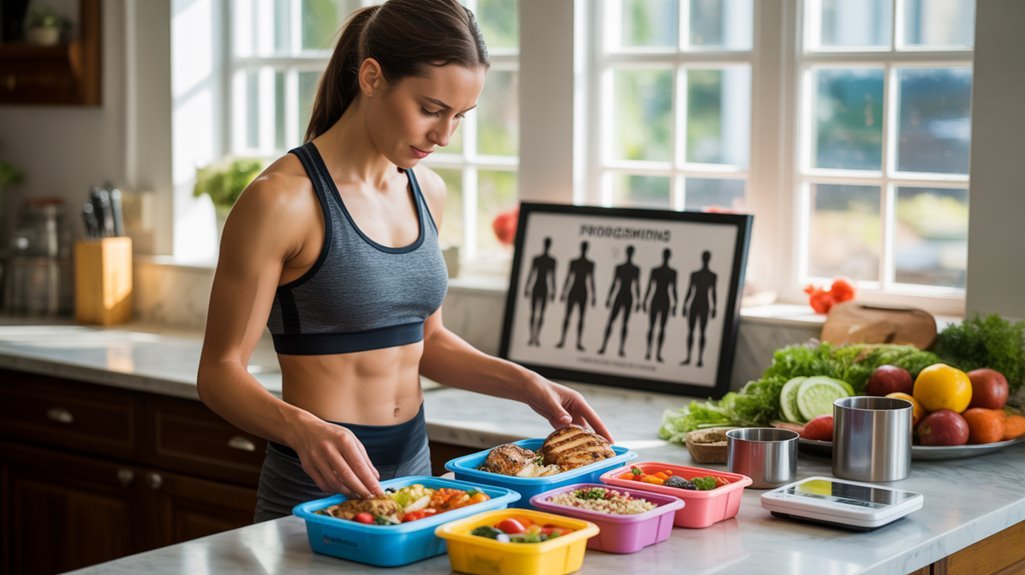
As your body composition shifts and metabolic adaptations occur, you’ll need to recalibrate your meal plan every 4-6 weeks to maintain consistent fat loss progress. Your body’s adaptive strategies require periodic adjustments to macronutrient ratios and caloric intake.
| Body Changes | Meal Plan Adjustments |
|---|---|
| Weight loss plateaus | Reduce calories by 5-10% |
| Increased muscle mass | Add 15-20g protein daily |
| Enhanced metabolic rate | Incorporate refeed days |
| Decreased energy levels | Increase complex carbs |
| Hormonal fluctuations | Balance omega-3 fatty acids |
Monitor biomarkers like body measurements, energy levels, and strength performance. When progress stalls for two consecutive weeks, it’s time to make changes. Decrease portions gradually while maintaining protein at 0.8-1g per pound of body weight to preserve lean muscle during continued fat loss phases.
Common Meal Planning Mistakes That Sabotage Fat Loss
Even with careful tracking and periodic adjustments, you’ll undermine your fat loss efforts if you’re making fundamental errors in your meal planning approach. These grocery pitfalls and portion control mistakes can derail months of progress:
- Recipe overload syndrome – Collecting dozens of complex recipes instead of mastering simple, nutrient-dense meals
- Ignoring emotional eating triggers – Failing to plan for stress-induced cravings with strategic snack choices
- Extreme restriction mindset – Eliminating entire food groups rather than embracing flexible dieting principles
- Monotonous meal variety – Rotating the same three meals, leading to nutrient gaps and diet fatigue
Successful fat loss requires mindset shifts that prioritize sustainable habits over perfection. You’ll achieve better results by addressing these behavioral patterns while maintaining consistent protein intake and appropriate caloric deficits.
Tools and Resources to Streamline Your Planning Process

The right meal planning tools can transform your fat loss journey from overwhelming to manageable, cutting your prep time by up to 70% while ensuring nutritional accuracy. You’ll benefit from meal planning apps that sync nutrition calculators with extensive recipe databases, automatically generating grocery list templates based on your caloric needs. Modern food diaries track macronutrients while portion control features prevent overconsumption.
Consider meal prep kits for beginners or time-pressed individuals. They’re pre-portioned and eliminate guesswork. Free cooking tutorials teach efficient batch preparation techniques, while online communities provide accountability and recipe swaps. Local meal planning workshops offer hands-on guidance for mastering prep strategies. These resources work synergistically—apps calculate portions, tutorials demonstrate techniques, and communities sustain motivation throughout your transformation.
Frequently Asked Questions
How Do I Handle Intense Cravings During the First Week of Meal Planning?
You’ll manage cravings by identifying craving triggers and practicing mindfulness techniques. Keep healthy substitutes ready when hunger strikes. Optimize meal timing with protein-rich foods every 3-4 hours to stabilize blood sugar and reduce intense cravings naturally.
Should I Eat Differently on Workout Days Versus Rest Days?
You’ll benefit from adjusting your workout nutrition versus rest day meals. Increase carbohydrates around training sessions for energy and recovery. On rest days, you can reduce carbs slightly while maintaining adequate protein for muscle repair.
Can I Still Lose Fat While Following a Vegetarian or Vegan Diet?
You’ll effectively lose fat on vegetarian or vegan diets by prioritizing plant-based protein sources and maximizing nutrient density. Research shows well-planned plant diets support healthy weight loss when you’re meeting protein needs and maintaining caloric deficit.
How Much Water Should I Drink Daily to Support Fat Loss?
You’ll optimize hydration benefits by drinking 8-10 glasses daily, adjusting for activity level. Water timing matters—drink before meals to enhance satiety and metabolism. Your body needs adequate hydration to efficiently metabolize stored fat and maintain energy.
Is Intermittent Fasting Necessary for Successful Fat Loss Meal Planning?
You don’t need intermittent fasting for fat loss success. While intermittent fasting benefits include improved insulin sensitivity, various meal timing strategies work effectively. Focus on creating a consistent caloric deficit through nutrient-dense foods regardless of eating windows.
Conclusion
You’ve now mastered the fundamentals of evidence-based fat loss meal planning. By maintaining your caloric deficit, balancing macronutrients, and employing strategic prep techniques, you’re equipped for sustainable results. Remember, successful fat loss isn’t about perfection—it’s about consistency. Track your progress, adjust your plan based on your body’s responses, and focus on nutrient-dense whole foods. With these science-backed strategies, you’ll transform your relationship with food while achieving your body composition goals.